
Cerebral Venous Sinus Thrombosis
What is cerebral venous sinus thrombosis (CVST)?
Cerebral venous sinus thrombosis (CVST), also called cerebral venous thrombosis or cerebral sinus thrombosis, is a rare form of stroke and a type of brain blood clot.1 It occurs when a blood clot forms in the veins that drain blood from the brain, called the venous sinuses. The clot blocks blood from draining out of the brain. Pressure builds in the blocked vessels and in the surrounding brain tissue, which can damage blood vessel walls and lead to a brain hemorrhage.2
CVST can happen at any age, including in adults, children, newborns and babies still in the womb.3 Like other strokes, it can damage the brain and requires immediate medical attention.
Signs and Symptoms
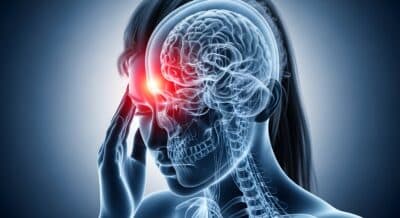
Symptoms of CVST vary depending on where the clot forms and how much pressure builds in the brain.4 The most common symptom is headache, present in an estimated 80 to 90 percent of cases.5 Other signs and symptoms can include:
- A severe headache that is new or worsens over time
- Blurred or double vision
- Fainting or loss of consciousness
- Seizures
- Weakness, numbness or loss of control over body movement, often on one side of the body
- Difficulty speaking or slurred speech
- Nausea and vomiting
- Coma, in severe cases
Seek immediate medical attention if you or someone else has signs or symptoms of CVST. Contact a healthcare professional right away with any questions or concerns. Learn more about the signs of a blood clot.
Risk factors
Anyone can develop CVST, but certain conditions and circumstances raise the risk. Risk factors differ between adults and children.
See a full breakdown of CVST risk factors and how they are different for adults and children.
How common is CVST?
CVST accounts for about 0.5 to 3 percent of all strokes, making it one of the rarer forms of stroke.6 Older studies estimated an annual incidence of about 2 to 5 cases per million people, but more recent population-based research suggests the true incidence is higher, in part because MRI and MR venography have made CVST easier to detect.7
CVST can occur at any age, but it most often affects younger adults. The median age at diagnosis is around 40, and it is more common in women than men, largely because of pregnancy, the postpartum period and estrogen-based medicines.8
CVST is also seen in children, including newborns, who face the highest risk in the first month of life.9 Pediatric stroke, including CVST, is rare overall. Annual incidence rates for pediatric stroke, including both neonatal and later childhood events, range from about 3 to 25 per 100,000 children in developed countries, with newborns facing a substantially higher risk, at roughly 1 in 4,000 live births.10


How is CVST treated?
Anticoagulation, or blood-thinning medicine, is the foundation of CVST treatment and should begin promptly once CVST is diagnosed, even in patients who also have a brain hemorrhage.18 Treatment typically starts with heparin or low molecular weight heparin, followed by an oral anticoagulant, either a vitamin K antagonist such as warfarin or a direct oral anticoagulant, for a period of months.19 In severe cases involving significant brain swelling, some patients may need additional interventions, such as decompressive surgery or, less commonly, endovascular procedures to remove the clot.20
Frequently asked questions: CVST
Yes. CVST is classified as a form of stroke. Instead of blocking an artery that supplies blood to the brain, as in a more common ischemic stroke, CVST blocks a vein that drains blood away from the brain.1
Yes. Cerebral venous thrombosis (CVT) and cerebral sinus venous thrombosis are other names used for the same condition as CVST.3
CVST is a serious medical emergency that requires immediate treatment. With prompt anticoagulation, most patients recover well, though death or long-term disability still occurs in an estimated 10 to 15 percent of cases.22
CVST does not have a single cause. It usually results from a combination of factors that make the blood more likely to clot, such as pregnancy, estrogen-based medicines, thrombophilia, cancer, infection or dehydration.11
Not all cases can be prevented, but knowing your personal risk factors and talking with a healthcare professional about them, particularly around pregnancy, hormone-based medicines or a known clotting disorder, can help support earlier recognition and treatment.



Page references:
This content is for informational purposes and does not replace advice from a qualified healthcare professional. If you think you or someone else is experiencing a CVST, seek immediate medical attention.
-
Saposnik G, Barinagarrementeria F, Brown RD Jr, et al. Diagnosis and management of cerebral venous thrombosis: a statement for healthcare professionals from the American Heart Association/American Stroke Association. Stroke. 2011;42(4):1158-1192. ↩ ↩2
-
Cerebral Venous Sinus Thrombosis. StatPearls. National Center for Biotechnology Information, National Library of Medicine. ↩
-
International Society on Thrombosis and Haemostasis. World Thrombosis Day patient resources on blood clot types. ↩ ↩2
-
A 44-year-old male with cerebral venous sinus thrombosis. Cureus case report, National Center for Biotechnology Information. ↩
-
Cerebral venous sinus thrombosis: symptoms, causes, diagnosis and treatment. CARE Hospitals patient education resource. ↩
-
Saposnik G, Kamel H, Chandra RV, et al. Diagnosis and management of cerebral venous thrombosis: a scientific statement from the American Heart Association. Stroke. 2024. ↩
-
Coutinho JM, Zuurbier SM, Aramideh M, Stam J. Cerebral venous sinus thrombosis incidence is higher than previously thought: a retrospective population-based study. Stroke. 2016;47(9):2180-2182. ↩
-
Devasagayam S, Wyatt B, Leyden J, Kleinig T. Cerebral venous sinus thrombosis incidence is higher than previously thought: a retrospective population-based study. Stroke. 2016;47(9):2180-2182. ↩
-
American Heart Association/American Stroke Association scientific statement on cerebral venous thrombosis, referencing pediatric and neonatal stroke risk. ↩
-
Ferriero DM, Fullerton HJ, Bernard TJ, et al. Management of stroke in neonates and children: a scientific statement from the American Heart Association/American Stroke Association. Stroke. 2019;50(3):e51-e96. ↩
-
Saposnik G, et al. Diagnosis and management of cerebral venous thrombosis. Stroke. 2011;42(4):1158-1192. ↩ ↩2 ↩3
-
Arroyave JA, Quiñones J. Mutation in the prothrombin gene G20210A as a cause of cerebral venous thrombosis. Case Reports in Neurological Medicine. 2012. ↩
-
Perry RJ, Tamborska A, Singh B, et al. Cerebral venous thrombosis after vaccination against COVID-19 in the UK: a multicentre cohort study. Lancet. 2021. See also Ashrani AA, Crusan DJ, Petterson T, Bailey K, Heit JA. Age- and sex-specific incidence of cerebral venous sinus thrombosis associated with Ad26.COV2.S COVID-19 vaccination. JAMA Internal Medicine. 2022;182(1):80-83. ↩
-
Matlik HN, Sagar N. Cerebral venous sinus thrombosis due to iron deficiency anemia in an adolescent girl. Case Reports in Pediatrics. 2021. ↩
-
Cerebral Venous Sinus Thrombosis. StatPearls. National Center for Biotechnology Information, National Library of Medicine. ↩
-
Saposnik G, Kamel H, Chandra RV, et al. Diagnosis and management of cerebral venous thrombosis: a scientific statement from the American Heart Association. Stroke. 2024. ↩
-
Canadian Stroke Best Practice Recommendations. Post-acute management of cerebral venous thrombosis, citing International Society on Thrombosis and Haemostasis Scientific and Standardization Committee guidance on thrombophilia testing. ↩
-
Cerebral Venous Thrombosis Treatment and Management. Medscape/eMedicine clinical reference, citing Einhaupl KM et al. and de Bruijn SF, Stam J, randomized studies on anticoagulation safety in hemorrhagic CVT. ↩
-
Ferro JM, Bousser MG, Canhao P, et al. European Stroke Organization guideline for the diagnosis and treatment of cerebral venous thrombosis. European Stroke Journal. 2017. See also Yaghi S, Shu L, Bakradze E, et al. Direct oral anticoagulants versus warfarin in the treatment of cerebral venous thrombosis (ACTION-CVT): a multicenter international study. Stroke. 2022;53(3):728-738. ↩
-
Cerebral Venous Thrombosis Treatment and Management. Medscape/eMedicine clinical reference. ↩
-
Arroyave JA, Quiñones J. Mutation in the prothrombin gene G20210A as a cause of cerebral venous thrombosis. Case Reports in Neurological Medicine. 2012. ↩
-
Saposnik G, Kamel H, Chandra RV, et al. Diagnosis and management of cerebral venous thrombosis: a scientific statement from the American Heart Association. Stroke. 2024. ↩ ↩2
